
As an experienced aluminum casting manufacturer, Xuxing provides Low Pressure Die Casting solutions for industrial applications that require controlled metal filling, consistent quality, and reliable mechanical performance. Understanding this process helps engineers and purchasing teams select the right manufacturing method for demanding components.
Low pressure die casting is a metal forming process that uses controlled gas pressure to push molten aluminum alloy from a sealed holding furnace into a permanent mold. Unlike gravity casting, this method enables controlled bottom-up filling and continued pressure feeding during solidification. These characteristics help reduce turbulence, minimize certain casting defects, improve material utilization, and support the production of components with consistent mechanical properties. Common applications include automotive wheels, cylinder heads, engine components, impellers, and industrial parts. This guide explains how the process works, its advantages and limitations, material selection, quality control, and the factors buyers should consider when choosing a casting supplier.
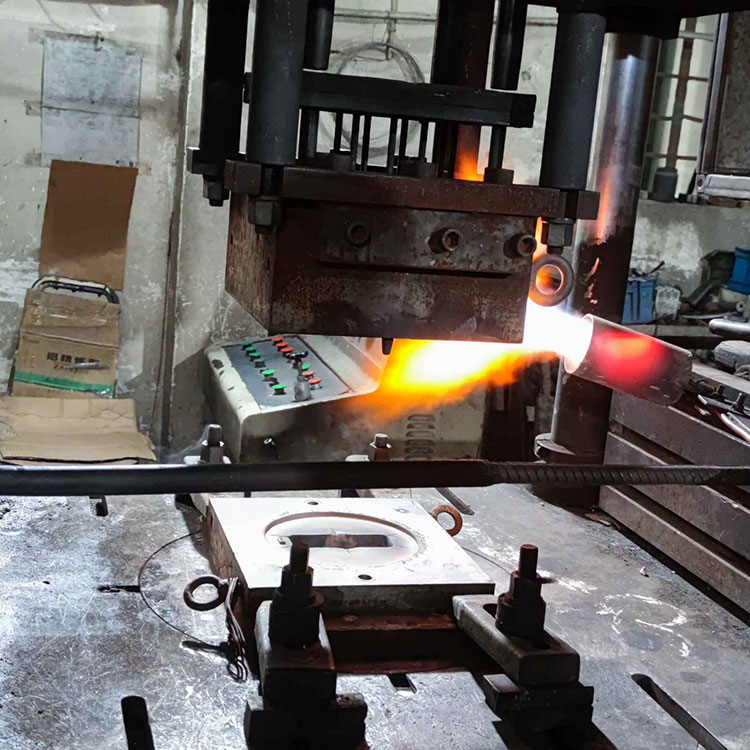
1. What Is Low Pressure Die Casting?
2. How Does the Manufacturing Process Work?
3. What Are the Main Advantages?
4. Which Industries Use Low Pressure Die Casting?
5. Which Materials Are Suitable?
6. How Does It Compare with Other Casting Methods?
7. What Determines Casting Quality?
8. How Should You Choose a Casting Supplier?
Low Pressure Die Casting, commonly abbreviated as LPDC, is a permanent mold casting technique in which relatively low gas pressure forces molten metal upward through a riser tube and into a mold cavity. The metal fills the cavity in a controlled manner and remains under pressure while solidification takes place.
Aluminum alloys are widely used in this process because they offer a useful combination of low weight, corrosion resistance, thermal conductivity, and mechanical strength. The process is particularly suitable for components that require structural integrity and repeatable production quality.
Unlike conventional gravity casting, which relies primarily on gravity to move molten metal into the mold, LPDC provides active control over the filling process. Compared with high pressure die casting, it generally uses slower filling speeds and lower injection pressures.
According to Xuxing's low pressure die casting information, controlling metal temperature, mold temperature, filling speed, and pressure holding time is essential to obtaining sound aluminum castings.
The low pressure die casting process involves several coordinated stages. Each stage influences the final component's density, dimensional accuracy, surface condition, and mechanical properties.
Aluminum alloy is melted and brought to a suitable temperature. Operators must manage melt cleanliness and temperature to reduce the risk of oxide inclusions, hydrogen-related porosity, and premature solidification.
The molten metal is held in a sealed furnace beneath the die. Controlled gas pressure, typically supplied by compressed air or an appropriate inert gas system, pushes the metal upward through a riser tube into the mold cavity.
Bottom-up filling helps reduce the turbulence associated with uncontrolled pouring. The actual pressure profile depends on the alloy, mold geometry, lifting height, and component requirements.
After the mold cavity fills, pressure is maintained to help feed liquid metal into regions that are still solidifying. Proper pressure timing supports directional solidification and can reduce shrinkage-related defects.
Once the casting has solidified sufficiently, the pressure is released and the mold is opened. The component is removed, and any necessary trimming, heat treatment, machining, or surface finishing is performed.
Inspection methods are selected according to the part's function and drawing requirements. Dimensional measurement, visual inspection, mechanical testing, and radiographic examination may be used when appropriate.
LPDC is valued for its balance of metal flow control, casting integrity, and production efficiency. Its main benefits include the following.
These benefits are not automatic. Alloy cleanliness, mold design, temperature management, cooling conditions, and process monitoring must all be controlled to achieve the required results.
Low pressure die casting is widely used for aluminum components where strength, dimensional consistency, and reliable internal quality are important.
Typical applications include aluminum wheels, cylinder heads, engine components, suspension parts, and selected structural components. These parts may require a combination of reduced weight, fatigue resistance, and dependable performance under repeated loading.
Industrial equipment manufacturers use cast aluminum housings, impellers, and other components that benefit from controlled filling and near-net-shape production. Depending on the design, casting can reduce the machining required compared with manufacturing a part entirely from solid stock.
Pump components, impellers, and related parts may benefit from the process when their geometry and alloy requirements are suitable. Additional machining and pressure or leak testing may be necessary for components exposed to fluids or operating pressure.
Complex castings with internal passages may be produced using suitable sand cores or other core systems. These features allow engineers to create geometries that would be difficult or expensive to manufacture through machining alone.
Aluminum alloys are among the most common materials used for LPDC. The appropriate grade depends on the component's strength requirements, ductility, corrosion resistance, heat treatment needs, and operating environment.
| Material or Alloy | Typical Characteristics | Potential Applications |
|---|---|---|
| A356 Aluminum Alloy | Good castability, corrosion resistance, and potential for heat treatment | Automotive wheels, structural components, and selected machinery parts |
| Al-Si-Mg Aluminum Alloys | Useful combination of strength, castability, and heat treatment response | Engineering components requiring mechanical performance |
| Other Suitable Aluminum Alloys | Properties vary according to composition and processing conditions | Custom castings designed for specific service requirements |
A356 is frequently considered for applications that require a balance of strength and ductility. However, alloy designation alone does not guarantee final properties. Chemical composition, casting conditions, heat treatment, and inspection results all influence performance.
Before production, buyers should confirm the exact alloy specification, applicable material standards, required mechanical properties, and any post-casting treatment with the manufacturer.
Different casting technologies serve different production objectives. The best choice depends on component geometry, annual demand, material requirements, tooling investment, and acceptable defect levels.
| Comparison Factor | Low Pressure Die Casting | High Pressure Die Casting | Gravity Die Casting |
|---|---|---|---|
| Metal Filling | Controlled pressure from below | High-speed injection under high pressure | Primarily driven by gravity |
| Typical Strengths | Controlled filling and potential for sound structural castings | High production speed and complex thin-walled shapes | Relatively simple process and tooling arrangement |
| Production Speed | Generally moderate to slow | Generally fast | Generally moderate |
| Material Utilization | Often favorable, depending on mold design | Depends on runner design and recycling practices | Depends on gating and feeding design |
| Heat Treatment | Possible for suitable alloys and sound castings | Limited by porosity and process conditions for some applications | Possible for suitable alloys and casting quality |
| Typical Applications | Wheels and structural aluminum parts | Housings, brackets, and high-volume components | General aluminum components and industrial parts |
LPDC is not automatically superior to every alternative. High pressure die casting may be preferable when rapid production and thin walls are priorities. Gravity die casting may offer a simpler route for suitable components. Engineers should compare the complete manufacturing requirements rather than choosing a process based on one parameter.
For further evaluation, see Xuxing's aluminum casting manufacturing resources and review the suitability of permanent mold casting solutions for the intended application.
Reliable low pressure die casting depends on the interaction of material properties, tooling design, thermal management, and production controls. Several factors deserve particular attention.
For critical components, a quality plan may include dimensional reports, hardness or tensile testing, metallographic examination, and X-ray inspection. Not every part requires every test; the inspection plan should reflect the drawing, service conditions, and customer specifications.
Selecting a supplier involves more than comparing the initial quotation. Buyers should verify whether the manufacturer can consistently produce components that meet the required technical and commercial specifications.
Xuxing, also known as Ningbo Yinzhou Xuxing Machinery Co., Ltd., describes its manufacturing capabilities in aluminum alloy low pressure die casting, gravity die casting, high pressure die casting, and zinc alloy casting. The company reports more than 17 years of manufacturing experience and production capacity exceeding 500 parts per day. Buyers should confirm current capacity, technical scope, and project-specific requirements directly with the company.
To prepare an accurate quotation, provide the supplier with 2D drawings or 3D models, alloy requirements, annual demand, tolerance specifications, surface finish expectations, and any testing or certification requirements.
The main purpose is to produce metal components by filling a permanent mold with molten alloy under controlled gas pressure. This method can improve filling stability, reduce certain casting defects, and support the production of aluminum parts with consistent mechanical properties.
Yes. Low pressure die casting is widely used to manufacture aluminum wheels because controlled filling and pressure feeding can support good structural integrity and fatigue performance. Final suitability depends on the alloy, wheel design, heat treatment, and validation testing.
Low pressure die casting uses relatively low gas pressure to move molten metal into a mold, usually from below. High pressure die casting injects metal rapidly at much higher pressure. LPDC is often selected for structural integrity and heat-treatable alloys, while HPDC is frequently chosen for high production rates and complex thin-walled parts.
Yes, selected aluminum alloys can undergo heat treatment, including T6 treatment, if the casting quality and alloy composition are suitable. The manufacturer should verify the process, treatment parameters, and final mechanical properties against the project specifications.
Major cost factors include component size and complexity, alloy selection, tooling design, annual order quantity, production cycle time, machining, heat treatment, inspection, and finishing requirements. Providing complete technical specifications helps suppliers prepare a more reliable quotation.
Provide a component drawing or 3D model, material grade, estimated annual volume, critical dimensions, surface requirements, heat treatment needs, and inspection criteria. If the part is safety-critical or must withstand pressure or fatigue loading, clearly state the relevant performance requirements.
Low Pressure Die Casting offers manufacturers a practical way to produce aluminum components with controlled metal filling, good material utilization, and the potential for reliable mechanical performance. Its effectiveness depends on selecting the right alloy, optimizing the mold and pressure profile, controlling solidification, and applying appropriate inspection methods. For automotive, industrial machinery, and other demanding applications, evaluating the entire manufacturing process is essential to achieving consistent quality and competitive production costs.
If you are sourcing customized aluminum castings or comparing casting processes for a new project, Xuxing can help you explore suitable manufacturing options. Share your drawings, material requirements, target quantities, and quality specifications to discuss the next steps. Contact us today to request a quotation and learn more about low pressure die casting solutions tailored to your application.


