
Abstract: Aluminum foundries play a critical role in modern manufacturing, producing components for automotive, aerospace, and industrial machinery. Understanding how these foundries operate efficiently can help businesses reduce costs, improve product quality, and minimize environmental impact. This article explores the processes, technologies, and best practices used in aluminum foundries, addressing common challenges faced by manufacturers and highlighting solutions for optimal performance.
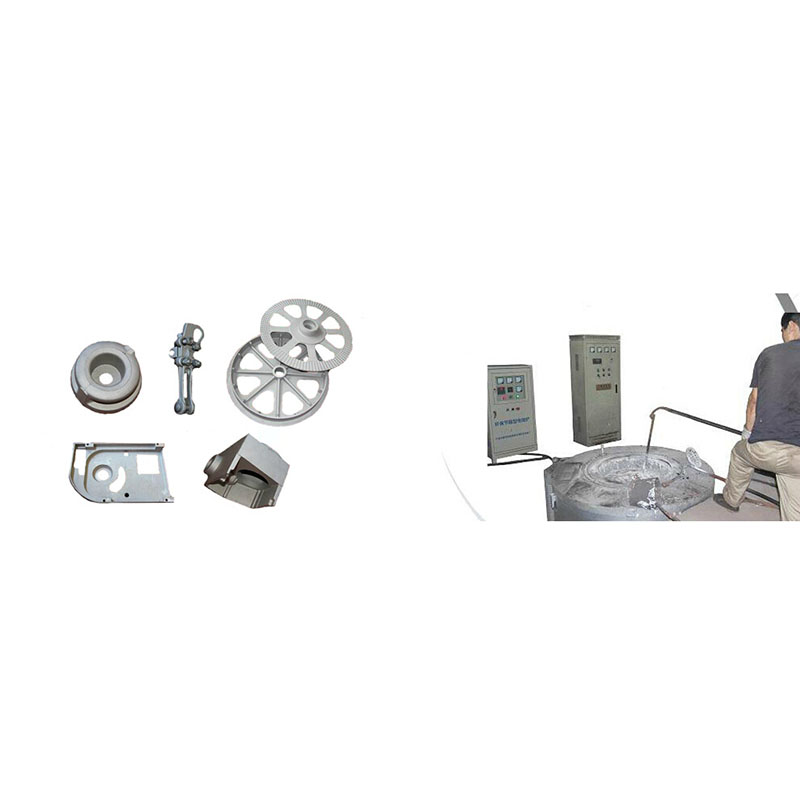
An aluminum foundry is a specialized facility where raw aluminum is melted, alloyed, and cast into finished or semi-finished components. Aluminum is favored for its lightweight, corrosion resistance, and versatility, making it ideal for a wide range of industries.
The production process in an aluminum foundry typically involves several critical stages. Optimizing each stage ensures efficient operation and high-quality output.
| Stage | Purpose | Key Considerations |
|---|---|---|
| Material Preparation | Ensure high-quality raw material | Sort for impurities, manage scrap efficiently |
| Melting | Convert aluminum to molten form | Temperature control, energy efficiency |
| Alloying | Achieve desired mechanical properties | Precise addition of alloying elements |
| Casting | Form the desired shape | Mold selection, pouring speed, and temperature |
| Finishing | Prepare final product | Surface quality, dimensional accuracy, heat treatment |
Modern aluminum foundries rely on advanced equipment to improve efficiency and quality.
Ensuring the consistency and reliability of aluminum castings is critical. Foundries implement rigorous quality control measures:
Reducing operating costs without compromising quality is a key concern for aluminum foundries.
Aluminum foundries must address environmental and occupational safety concerns:
Q1: What types of aluminum alloys are commonly used in foundries?
A1: Common alloys include 6061, 6063, 7075, and ADC12, each selected for specific mechanical properties and applications.
Q2: How can foundries minimize casting defects?
A2: By controlling melting temperature, degassing thoroughly, selecting proper mold design, and maintaining consistent pouring procedures.
Q3: What is the typical lead time for aluminum casting orders?
A3: Lead time depends on complexity and quantity but generally ranges from 2 to 6 weeks for standard components.
Q4: Can aluminum foundries handle both small and large production volumes?
A4: Yes, modern foundries are equipped to handle prototyping as well as high-volume production using flexible casting methods.
Aluminum foundries are essential to many industries, providing lightweight and durable components. By understanding the production process, investing in modern equipment, implementing quality control measures, and focusing on cost efficiency and safety, manufacturers can optimize foundry operations effectively. Choosing a reliable partner like Ningbo Yinzhou Xuxing Machinery Co.,Ltd. ensures professional guidance, high-quality castings, and responsive service. To explore our aluminum foundry solutions or request a quote, contact us today.


