
Summary: Zinc die casting is a highly efficient manufacturing process that allows for precise, durable, and cost-effective metal components. This article explores the fundamentals, advantages, applications, and best practices of zinc die casting, helping manufacturers and engineers make informed decisions. We also discuss how Ningbo Yinzhou Xuxing Machinery Co.,Ltd. leverages this technology to deliver premium solutions for diverse industries.
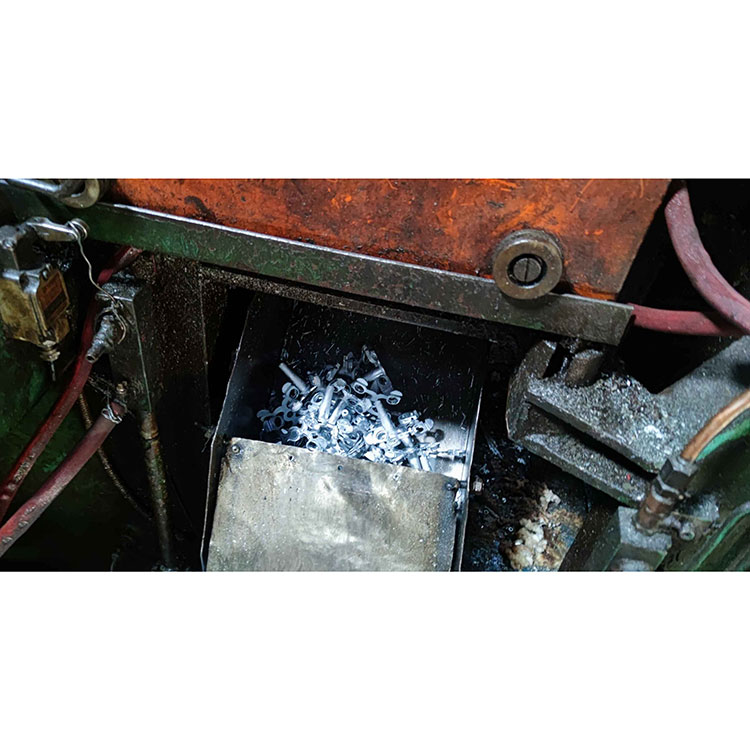
Zinc die casting is a metal casting process in which molten zinc is injected under high pressure into steel molds (dies) to form precise and complex components. This technique is widely used across automotive, electronics, hardware, and consumer goods industries due to its excellent dimensional accuracy and surface finish.
Ningbo Yinzhou Xuxing Machinery Co.,Ltd. specializes in manufacturing high-quality zinc die cast parts, providing tailored solutions to meet diverse industrial requirements.
The zinc die casting process involves several key steps to transform molten metal into precise, functional components:
Below is a simplified process flow table:
| Step | Description | Key Benefit |
|---|---|---|
| Die Preparation | Cleaning and lubricating steel dies | Ensures smooth metal flow and prolongs die life |
| Melting | Heating zinc alloy to molten state | Precise control of alloy properties |
| Injection | High-pressure injection of molten zinc | Produces intricate, complex shapes |
| Cooling | Rapid solidification inside die | Maintains dimensional accuracy and surface finish |
| Ejection | Part removed from die | Minimal secondary processing required |
Zinc die casting offers multiple benefits that address common manufacturing challenges:
Ningbo Yinzhou Xuxing Machinery Co.,Ltd. leverages these advantages to provide high-quality zinc die cast solutions that improve efficiency and product reliability.
Zinc die casting is highly versatile and widely used in various industries:
This wide application range demonstrates zinc die casting’s adaptability and efficiency in modern manufacturing.
To achieve high-quality zinc die cast parts, manufacturers should consider the following:
Q1: Can zinc die casting produce large components?
A1: Zinc die casting is ideal for small to medium-sized parts. For larger components, alternative casting methods may be more suitable.
Q2: How does zinc die casting compare to aluminum die casting?
A2: Zinc offers better surface finish and dimensional accuracy, while aluminum is lighter and has higher corrosion resistance.
Q3: Is post-processing required?
A3: Minimal post-processing is needed due to the smooth surface and tight tolerances achievable in zinc die casting.
Zinc die casting is a powerful manufacturing solution that combines precision, durability, and cost-effectiveness. With proper die design, alloy selection, and process control, manufacturers can achieve high-quality components for diverse industries. Ningbo Yinzhou Xuxing Machinery Co.,Ltd. excels in delivering tailored zinc die casting services to meet specific production needs.
For high-precision, reliable zinc die cast parts, contact us today to discuss your requirements and explore how our solutions can enhance your manufacturing process.


