


Summary
Low pressure die casting (LPDC) has emerged as a crucial technique in modern metal manufacturing. It combines precision, efficiency, and high-quality output, making it ideal for automotive, aerospace, and electronics industries. In this article, we will explore the process, advantages, challenges, and best practices associated with LPDC, helping businesses make informed decisions to optimize production and reduce waste.
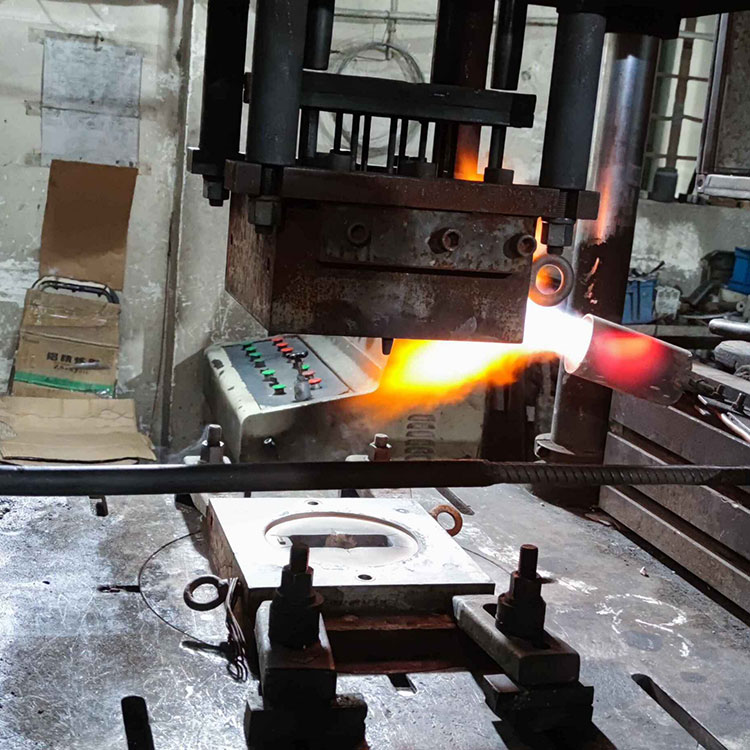
Table of Contents
What is Low Pressure Die Casting?
Low pressure die casting is a metal casting process in which molten metal is forced into a mold under low hydraulic pressure, usually between 0.5 to 1.5 bar. Unlike high-pressure die casting, LPDC uses a controlled, gradual filling approach, reducing turbulence, gas entrapment, and porosity. This process ensures superior structural integrity and surface finish.
LPDC is particularly effective for aluminum, magnesium, and copper alloys, providing consistency in wall thickness and dimensional accuracy. Companies like Xuxing have adopted LPDC to deliver reliable components for critical industries.
The Low Pressure Die Casting Process
The LPDC process involves several key stages, each crucial to achieving high-quality castings:
- Preparation of the Mold: Preheating and applying a release agent to ensure smooth ejection of the part.
- Molten Metal Supply: Metal is melted in a furnace and transferred to a crucible beneath the mold.
- Pressure Filling: A low-pressure system pushes molten metal upward into the mold cavity.
- Solidification: Gradual cooling ensures uniform microstructure and prevents shrinkage defects.
- Ejection and Trimming: The casting is removed, gates and risers are trimmed, and surface finishing is applied.
The process can be visualized in the following table:
| Stage | Description | Benefits |
|---|---|---|
| Mold Preparation | Preheating and coating | Improves surface finish and prevents sticking |
| Metal Supply | Molten metal delivered to crucible | Maintains metal quality and temperature |
| Pressure Filling | Molten metal pushed into cavity | Reduces porosity and turbulence |
| Solidification | Gradual cooling | Ensures uniform microstructure |
| Ejection | Removal and trimming | Ready-to-use casting with minimal defects |
Advantages of LPDC
Low pressure die casting offers several benefits over other casting methods:
- High Precision: Excellent dimensional control and repeatability.
- Reduced Defects: Minimizes porosity, shrinkage, and oxide inclusions.
- Improved Mechanical Properties: Fine microstructure enhances strength and fatigue resistance.
- Cost Efficiency: Less material wastage and lower energy consumption compared to high-pressure methods.
- Surface Finish: Smooth surfaces reduce the need for post-processing.
Common Challenges and Solutions
While LPDC is highly effective, manufacturers may face several challenges:
- Mold Wear: Regular maintenance and high-quality mold materials mitigate wear.
- Metal Oxidation: Protective atmospheres or fluxes reduce oxide formation.
- Temperature Control: Precise furnace and mold temperature management ensures uniform casting.
- Complex Shapes: Design optimization and computer simulation can prevent filling issues.
Applications of LPDC
Low pressure die casting is widely applied across industries requiring lightweight, high-strength components:
- Automotive: Engine blocks, transmission cases, and structural components.
- Aerospace: Aircraft engine components and structural alloys.
- Electronics: Housings for sensitive electronic devices.
- Consumer Goods: Precision parts in appliances and hardware.
FAQ
-
Q: How does LPDC differ from high-pressure die casting?
A: LPDC uses low, controlled pressure for filling, reducing defects and improving structural integrity. -
Q: Which metals are suitable for LPDC?
A: Aluminum, magnesium, and copper alloys are most common. -
Q: Can LPDC handle complex geometries?
A: Yes, with proper mold design and simulation, complex shapes can be cast efficiently. -
Q: Is LPDC cost-effective for mass production?
A: Absolutely, it reduces material waste and minimizes post-processing.
Contact Xuxing
Xuxing specializes in high-quality low pressure die casting solutions tailored to your production needs. With years of experience and advanced equipment, we help businesses achieve precise, durable, and cost-effective components. For inquiries, custom solutions, or quotes, contact us today and discover how Xuxing can elevate your manufacturing process.