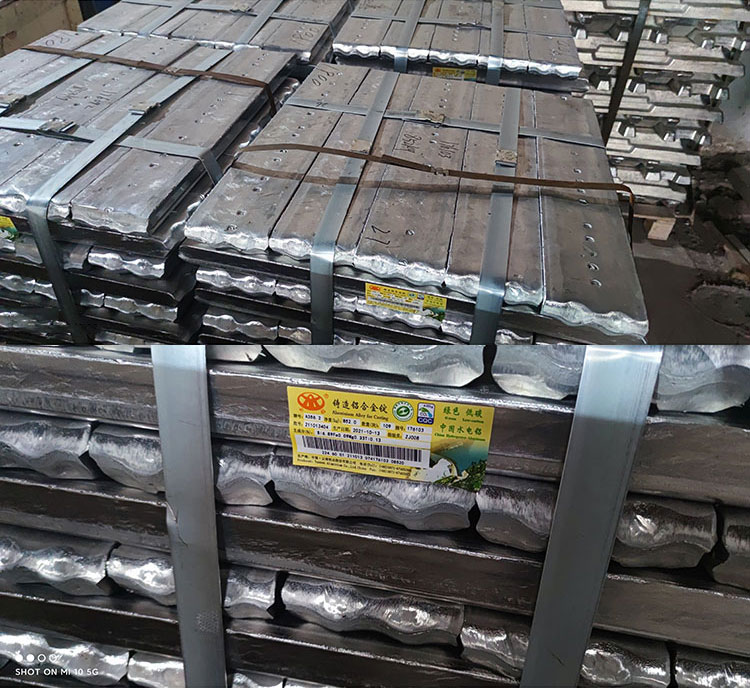
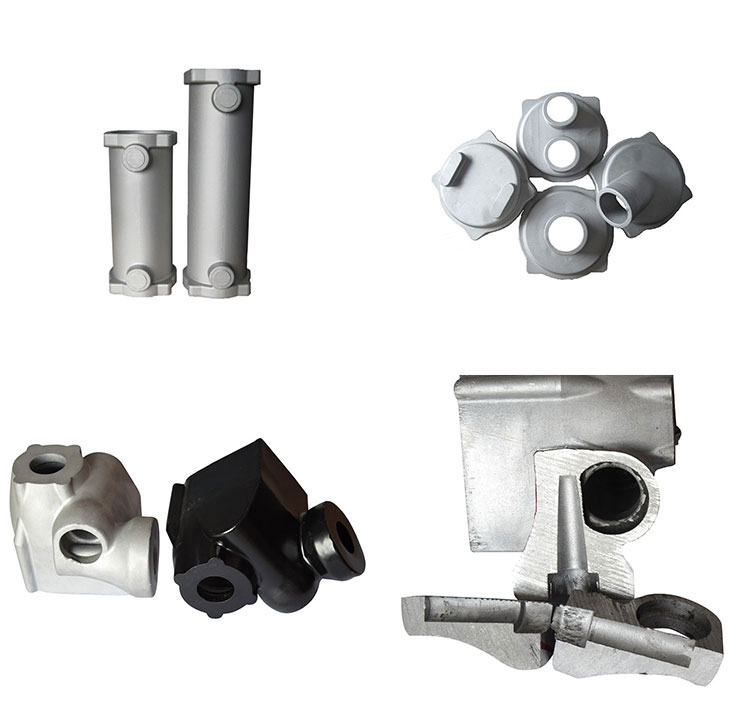
Xuxing Machinery is a China manufacturer supplying A356 aluminum casting parts through gravity die casting and low pressure die casting processes. With more than 17 years of experience in A356 aluminum casting and 60% of its A356 casting parts supplied to the North America market, the company focuses on controlling mold design, liquid aluminum temperature, filling speed, and pressure holding to produce sound castings with good strength.
A356 Aluminum Alloy Gravity Die Casting Parts are produced from A356 aluminum alloy and formed through a controlled casting process in which the alloy is heated in a furnace to more than 700 degree before impurities are removed from the top and the molten aluminum is poured into a special mold. This basic sequence is central to the product and explains why control at each stage matters. The source product information specifically identifies gravity die casting and low pressure die casting as the manufacturing processes used by Ningbo Yinzhou Xuxing Machinery Co.,Ltd.
The material itself is clearly defined in the product information. A356 aluminum alloy consists of 92.05% Aluminum, 7% Silicon, 0.35% Magnesium, 0.20% Iron, 0.20% Copper, 0.10% Manganese and 0.10% Zinc. This composition gives the alloy a lightweight character and extremely good corrosion resistance as described by the original product information. When required, A356 aluminum can also be used as a substitute for aluminum alloy 6061.
For purchasing teams and engineers, material clarity is important because the alloy is not presented as a generic aluminum material. The supplied composition identifies the principal elements and provides a clear basis for discussing the casting with the manufacturer. The product page also identifies corrosion resistance and weldability as important characteristics, while mechanical properties are rated excellent particularly when solution and aging treatment such as T5 or T6 is applied.
Rather than treating the alloy only as a raw material specification, Xuxing Machinery connects the material with the casting process. The company states that different customer parts require different liquid aluminum temperatures, suitable mold designs, appropriate filling speeds, and suitable pressure-holding times. This process-oriented approach is important when the final part must have good strength and avoid internal pores.
The performance of a casting does not depend on the alloy name alone. For A356 Aluminum Alloy Gravity Die Casting Parts, the original product information places strong emphasis on the relationship between the part design and the casting parameters. The liquid aluminum temperature must be selected according to the individual part, the mold must be properly designed, the speed of liquid aluminum entering the mold must be controlled, and the pressure-holding time after feeding must be appropriate.
These details are especially relevant when buyers are evaluating a casting supplier for a specific component rather than purchasing an undefined commodity. A casting can only meet the intended requirements when the manufacturing conditions are considered together with the part itself. Xuxing Machinery therefore invites customers to discuss their parts separately, reflecting the fact that different castings can require different process settings.
The information supplied by Xuxing Machinery identifies several practical control points. They can be understood as a connected production sequence rather than isolated manufacturing steps:
1. Liquid aluminum temperature: Different parts require different liquid aluminum temperatures, so the casting condition is considered according to the individual part.
2. Mold design: A suitable mold is an essential part of obtaining good casting parts. The product information specifically states that mold design must be considered according to customer requirements.
3. Filling speed: The speed at which liquid aluminum enters the mold is controlled as part of the casting process.
4. Pressure holding: The appropriate time to maintain pressure after stopping the aluminum liquid feed is identified as another factor in achieving good parts.
5. Internal pore control: The stated purpose of coordinating these parameters is to avoid internal pores and obtain good strength.
This sequence demonstrates why the casting process needs attention beyond simply melting aluminum and filling a mold. The product source explicitly states that every detail needs attention, making process control one of the central considerations when evaluating this product.
A356 Aluminum Alloy Gravity Die Casting Parts are based on an alloy that the source product page describes as lightweight, extremely corrosion resistant like stainless steel, and suitable for applications where its stated material characteristics are required. The product information also lists very good weldability characteristics and excellent mechanical properties particularly after solution and aging treatment.
These characteristics give buyers several technical points to consider when selecting A356 aluminum for a casting. Corrosion resistance can be important when the part is exposed to conditions where material durability matters. Weldability is relevant when the finished component may need to be incorporated into a larger assembly. The stated T5 and T6 treatment options provide another route for improving the mechanical properties of the material when such treatment is appropriate for the part.
The product information identifies three main advantages rather than relying on broad marketing claims:
● Corrosion resistance: A356 aluminum is described as having excellent corrosion resistance, with the material also characterized as extremely corrosion resistant like stainless steel.
● Weldability: The source identifies very good weldability characteristics, providing a useful consideration for parts that form part of a larger fabricated assembly.
● Mechanical properties: The source rates the mechanical properties as excellent particularly when solution and aging treatment such as T5 or T6 is applied.
The material can therefore be evaluated according to the actual technical requirements of the component instead of relying on a single generalized performance statement. Xuxing Machinery can discuss the individual part and the appropriate casting conditions with customers before production.
The source product information identifies automobile, medical device, parts, and aerospace industry applications for A356 aluminum casting parts. This range demonstrates that the material and casting process are not restricted to one single type of component. The actual application depends on the individual part, its required characteristics, and the casting conditions selected for production.
For A356 Aluminum Alloy Gravity Die Casting Parts, the application discussion should therefore begin with the component rather than with an assumed industry specification. A buyer can provide the part requirements and discuss the suitable process conditions with Xuxing Machinery. This is consistent with the company's own statement that different customer parts require different liquid aluminum temperatures, mold designs, filling speeds, and pressure-holding times.
Automobile applications are specifically listed on the source product page. For automotive buyers, the lightweight characteristic of A356 aluminum can be a relevant material consideration, while corrosion resistance, weldability, and mechanical properties provide additional technical factors for evaluating a casting according to its intended role.
Medical device applications are also explicitly identified. The product page does not assign a single standardized component to this category, so the correct approach is to evaluate the individual part and its required casting conditions rather than making assumptions about a specific medical application.
Aerospace industry applications are named in the original product information as well. For such parts, the individual geometry and casting requirements remain important. Xuxing Machinery's stated process controls provide a basis for discussing the required mold design, aluminum temperature, filling speed, and pressure-holding conditions for the specific component.
The application range is therefore broad but still grounded in the original product information: automobile, medical device, parts, and aerospace industry. These are the industries specifically stated by the source rather than added as unsupported application claims.
Xuxing Machinery has a documented history in casting production. The A356 product page states that Ningbo Yinzhou Xuxing Machinery Co.,Ltd specializes in manufacturing A356 aluminum casting using gravity die casting and low pressure die casting processes, with more than 17 years of experience. It also states that 60% of its A356 aluminum casting parts are for the North America market.
The company profile provides additional background. Ningbo Yinzhou Xuxing Machinery Co., Ltd is described as a family-owned and operated business with 15 years of experience in aluminum die casting and permanent mold casting. Its listed capabilities include mold design, aluminum permanent die casting, hot chamber die casting, cold chamber die casting, and CNC machining. The company profile identifies a 3,500 square foot facility in Ningbo, China, with 35 skilled craftsmen and stated annual supply capacity of more than 120,00pcs of casting parts and CNC machining parts.
The difference between the 17-plus-year A356-specific experience stated on the product page and the 15-year experience stated on the company profile should be understood as information presented by the source pages for their respective descriptions. No additional interpretation is necessary. Together, these pages provide direct company background that buyers can use when evaluating the supplier.
The product page states that 60% of the company's A356 aluminum casting parts are for the North America market. This is a specific market figure provided by the manufacturer and offers a more concrete reference point than a general statement about international service. It also supports the company's experience with overseas A356 casting requirements without adding unsupported customer names or project claims.
The company profile further states that the Ningbo facility is located close to the Ningbo port and approximately three hours' drive from Shanghai airport. The company also welcomes customers to visit the facility in China. These details provide practical context for buyers assessing the manufacturer's physical location and operating background.
For A356 Aluminum Alloy Gravity Die Casting Parts, quality is closely connected with process discipline. The source material describes the company's approach as using technique and quality system management and emphasizes customer orientation, reputation, mutual benefit, and joint development. More importantly for the casting itself, the product page explains the specific parameters that need attention to obtain good parts.
The production logic is straightforward: begin with the specified A356 alloy, heat the ingots to more than 700 degree, remove impurities from the top, pour the molten aluminum into the special mold, and then manage the process according to the requirements of the individual component. Temperature, mold design, filling speed, and pressure-holding time are all identified as factors affecting the finished casting.
When evaluating a casting project, the most useful technical discussion is the part itself. Xuxing Machinery specifically recommends discussing parts separately because the appropriate process conditions vary according to different customer requirements.
1. Part requirements: Provide the component information so the casting conditions can be considered around the actual part.
2. Mold requirements: Discuss the mold design required for the specific geometry and casting process.
3. Temperature conditions: Confirm the appropriate liquid aluminum temperature for the part.
4. Filling conditions: Consider the suitable speed for liquid aluminum entering the mold.
5. Pressure-holding conditions: Discuss the appropriate pressure-holding time after stopping the aluminum liquid feed.
6. Material treatment: Where applicable, discuss solution and aging treatment such as T5 or T6 in relation to the stated mechanical properties.
This part-specific discussion helps keep technical communication focused on measurable manufacturing considerations rather than generic claims.
A: The material is A356 aluminum alloy. The product information gives its composition as 92.05% Aluminum, 7% Silicon, 0.35% Magnesium, 0.20% Iron, 0.20% Copper, 0.10% Manganese and 0.10% Zinc. The source describes the material as lightweight and extremely corrosion resistant like stainless steel, and states that A356 aluminum can be used as a substitute for aluminum alloy 6061 when needed.
A: The A356 product page states that Xuxing Machinery manufactures A356 aluminum casting using gravity die casting and low pressure die casting processes. The company profile also lists aluminum permanent die casting, mold design, hot chamber die casting, cold chamber die casting, and CNC machining among its capabilities.
A: The supplied product information states that A356 aluminum alloy ingots are heated to more than 700 degree in the furnace. It also states that impurities are removed from the top before the molten aluminum is poured into the special mold. The exact casting conditions can vary according to the individual part.
A: The source identifies excellent corrosion resistance, very good weldability characteristics, and excellent mechanical properties particularly when solution and aging treatment such as T5 or T6 is applied. The alloy is also described as lightweight and extremely corrosion resistant like stainless steel.
A: The product information specifically lists automobile, medical device, parts, and aerospace industry applications. The correct casting process and conditions should be discussed according to the actual component because different parts may require different temperatures, mold designs, filling speeds, and pressure-holding times.
A: The product page states that A356 aluminum can be used as a substitute for aluminum alloy 6061 if needed. The suitability should still be evaluated according to the specific component and its technical requirements rather than assuming that the two materials are interchangeable for every application.
A: The product information explains that the manufacturer adjusts liquid aluminum temperature according to different parts, designs the mold appropriately, controls the speed of liquid aluminum entering the mold, and selects an appropriate pressure-holding time after stopping the aluminum liquid feed. These controls are intended to avoid internal pores and obtain good strength.
A: The A356 product page states that Ningbo Yinzhou Xuxing Machinery Co.,Ltd has more than 17 years of experience manufacturing A356 aluminum casting by gravity die casting and low pressure die casting. The same page states that 60% of its A356 aluminum casting parts are for the North America market.
A: The company profile identifies the facility in Ningbo, China. It states that the facility is 3,500 square feet, has 35 skilled craftsmen, and is located near Ningbo port and about three hours' drive from Shanghai airport. The company also welcomes customers to visit the facility in China.
A: Yes. The A356 product information specifically asks customers to discuss their parts separately because different parts require different casting conditions. Buyers can provide the individual part requirements and discuss mold design, liquid aluminum temperature, filling speed, and pressure-holding time with Xuxing Machinery.
A356 Aluminum Alloy Gravity Die Casting Parts are best evaluated from the perspective of the actual component, material requirements, and casting process. Xuxing Machinery's product information provides a clear technical basis: A356 alloy with a defined composition, heating above 700 degree, special mold filling, gravity die casting and low pressure die casting capabilities, and process attention aimed at reducing internal pores and achieving good strength.
For buyers comparing suppliers, the company background adds useful context. Xuxing Machinery is based in Ningbo, China, provides multiple casting-related capabilities, and reports more than 17 years of experience specifically with A356 aluminum casting. With 60% of its A356 casting parts supplied to the North America market, the company has a documented connection with overseas demand for this product.
If you have a specific A356 aluminum component to develop or manufacture, provide the part information and discuss the requirements directly with Xuxing Machinery. The manufacturer can review the individual part and determine the appropriate casting considerations instead of applying one general process setting to every component.